
Online PG Diploma in Healthcare Product Development and Management (Batch-2)
Features
Programme Overview
In a world driven by innovation, the healthcare industry is constantly evolving—demanding experts who can bridge the gap between scientific breakthroughs and real-world applications. IIT Delhi’s Online PG Diploma in Healthcare Product Development & Management is your opportunity to master the art of bringing healthcare solutions to market. This immersive programme offers a multidisciplinary learning experience, covering biomedical innovation, regulatory science, commercialisation strategies, and product management. Taught by IIT Delhi’s esteemed faculty and industry leaders, doing this programme will let you gain hands-on experience through live projects, case discussions, and industry-driven insights. Whether you are a biotech researcher, healthcare entrepreneur, or regulatory specialist, this programme provides the skills and confidence to excel in healthcare product innovation and management.
₹ 3,50,000 + 18 % GST
Registration Closed
Class Schedule
Saturdays and Sundays
10:00 AM to 12:00 PM (IST)
12:30 PM to 02:30 PM (IST)
Eligibility Criteria
Graduates, Postgraduates and Working Professionals with BE/BTech/BCA/BIT in Any Engineering, or equivalent in related areas or basic sciences, or
BSc or equivalent in Life Sciences and related basic sciences, or
MBBS, BDS, BPharm or related disciplines, or
Professionals in Healthcare, Biomedical, Biotech, or related industry with BE/BTech/BSc/ Diploma in Engineering/MBA/MCA
*Preference will be given to people working in Healthcare, Biomedical, or Biotech industry and those aspiring to work in Product Management, Product Development, and R&D domains in Healthcare."
Programme Highlights
Earn Prestigious Online PG Diploma From IIT Delhi
Comprehensive Curriculum Covering - Biomedical Innovation, Regulatory Frameworks, Clinical Trials, Product Lifecycle Management, And Commercialisation Strategies
Engage In Interactive Live Sessions, Real-world Case Studies, And Industry Projects
Develop Competencies For Roles In Biotech, Medical Devices, Pharmaceuticals, Healthcare IT, And Digital Health Innovations
Affiliate Alumni Status From IIT Delhi
In-demand, Industry-focused Tools
A Two-day Campus Immersion
200 Hours Of Live Online Learning
Sessions By Top IIT Delhi Faculty And Healthcare Industry Experts
Rich Peer-group Learning And Networking
Online PG Diploma Will Be Issued Separately By The Centre For Biomedical Engineering, IIT Delhi.
Programme Modules
Fundamentals of Electronics. Electronics components and their principle of operation with respect to medical equipment. Operational amplifiers and their use in biomedical instrumentation. Electronic interfacing of analogue circuits with a computer. LabVIEW-based virtual instrumentation. Electronic signal conditioning.
Learning Outcome: Basics and hands-on learning on mechatronics and their application in the development of healthcare products.
Basics of biology: Biomacromolecules, cells, biological membranes, enzymes and enzyme catalysis, cellular metabolic pathways, cell cycle, cell division, molecular biology of the cell, gene expression, DNA and its role in hereditary, cell signalling and communication. Microbiology- bacteria, fungi and prokaryotes, their cytological features and genetics. Human anatomy, organs and systems, hormones, nervous and sensory systems, nutrition, innate and adaptive immunity
Learning Outcome: In-depth knowledge of the normal human body for understanding deviations due to pathologies, and measurement and analysis of related data.
Forces and moments. Free body diagrams. Elastic, plastic, visco-elastic, visco-plastic. Bending, torsional and shear strength. Stress-strain relationships of linear and non-linear solids. Fatigue loading with and without corrosion. Fluid mechanics - shear thinning and shear thickening fluids.
Learning Outcome: Detailed understanding of the fabrication and application of biomaterials in healthcare product development with respect to medical devices and implants.
Introduction: bioprinting tissues, bones and cartilages; self-assembly, directed assembly, enzymatic assembly; laser-assisted bio-printing; fabrication of scaffolds (hydrogel method and fibre-based), artificial bacteria (active/passive drug delivery, microswimmer); component fabrication (stereolithography, laser machining, etc.); mass production (stamping, micro injection moulding, etc.). Experiments: CAD (solidworks) and data import (from MRI/CT) - hands-on; Fused deposition molding (3D printing) - hands on; Fused deposition molding (3D printing) - hands on; Tissue and organ printing (3D organ printer) - demonstration only; Scaffold generation - hydrogel (wet chemistry) and fibres (electrospinning) - hands on; Laser machining hands on; Mask generation (e-beam lithography and focussed ion beam) -demonstration only; Characterisation (imaging, profilometry, optical scanner) - hands on; Stamping - hands on.
Learning Outcome: In-depth knowledge of tissues and technology around their regeneration and artificial mimicking for different healthcare applications.
Simulation and analysis of physiological systems by up-to-date computer techniques and development of physical models; Biomechanical analysis and network representation; State-of-the-art bioinstrumentation techniques; monitoring physiological parameters electrical, mechanical and chemical parameters of the human body, microminiaturisation of electronics, including MEMS; BIMEMS technology; Biomedical signal processing and imaging modalities; Research planning and interpretation of biomedical data; Telemedicine; Robotics in medicine.
Learning Outcome: State-of-the-art of research in biomedical engineering and key gap areas for development of effective healthcare products.
Introduction to soft tissues. Review of major tissues and properties (skin, muscles, and connective tissues). Study of anatomy and biomechanical properties of tissues in all functional organs (e.g., brain, lungs, heart). Blood vessels and extremities. Biochemical testing methods: In vivo and in vitro. Test protocol for soft tissue testing. Linear and non-linear mechanical properties. Effect of specimen size, varying strain rates, and loading orientation. Mechanical testing with cadaveric tissues and soft tissue simulants. Finite element modelling of soft tissues. Study of Digital Image Correlation (DIC). Hyperelastic constitutive materials models (e.g., Mooney-Rivlin, Gden). Soft tissue degradation modes. Characterising tissue weakening (age) and injury. Effect of impact loads. Soft tissue failure criteria and fracture modes. Effect of wounds on soft tissue properties. Soft tissue biomechanics due to wound healing. Interaction of Soft tissues with interventions and medical devices. Effect of suturing, implantation, penetration, and frictional interactions on soft tissue properties. Project work: Comparison of biomechanics properties of soft tissue samples through experiments, material characterisation, DIC, and finite element simulations.
Learning Outcome: In-depth knowledge on characterisation of tissues for applications in development of medical and surgical simulators, implants and interventions, wearable technologies, and bio robotics.
History and evolution of wearable devices, social aspects of wearability, biochemical sensors, optical and acoustic sensors, smart materials for sensor and actuator design, bioelectronics for wearable applications – flexible circuit design, power considerations, energy storage methods, energy harvesting, biodesign of wearable technology measurement, mechanical design and prototyping, design for usability, and ergonomics. Target customer discovery, surveys, market competition, and statistics. Emerging applications in rehabilitation – soft-robotic devices and assistive devices. Neuromodulation and neural recording applications, wearable haptics and biofeedback systems. Signal processing techniques and machine learning methods in wearable devices.
Learning Outcome: Thorough understanding and hands-on on prototyping and manufacturing of healthcare wearable technologies for various applications.
Introduction to major healthcare problems and challenges in India, healthcare start-up ecosystem in India, academia vs industry, customer requirements and psychology, healthcare product idea and implementation strategy, team building, business model development, bootstrapping startup (i.e., how to minimise cost and resources). Critical review of healthcare products and business ideas presented by students, and team building. Effective customer survey, market competition (analysis of novelty, need, barrier to entry, cost and resources), product features. Low-cost product development and short-term funding avenues, grant writing. Product beta testing (Identification and use of in-house facilities and outsourcing) and clinical testing. Regulatory approvals, quality standards, and intellectual property. Short-term pilot study to understand customer acceptance. Product launching avenues (online/distributor/crowdfunding). Customer engagement (social media, word-of-mouth, partners). PASS/FAIL project review. Startup company formation steps. Biomedical startup scalability and sustainability. Group project: Healthcare product development and deployment (online/distributor/crowdfunding): Hands-on.
Learning Outcome: In-depth knowledge and project-based learning on conception, design, prototyping, testing, sales and marketing, and commercialisation of healthcare products.
Learning Outcomes
Key Learning Outcomes
Develop a deep understanding of the human body and its pathologies to effectively conceptualise innovative healthcare products.
Gain fundamental and practical knowledge of materials and mechatronics, and their applications in healthcare product development.
Explore cutting-edge research and emerging opportunities in the field of healthcare product innovation.
Acquire hands-on experience in prototyping, manufacturing, and testing key healthcare products, including medical devices, wearables, artificial tissues, and surgical robots.
Engage in project-based learning covering the entire product lifecycle, from conception and design to prototyping, testing, sales, marketing, and commercialisation.
Tools
3 D Printers
CAD Designing Software
Auto Cad
Arduino
UI/UX
AI
Machine Learning
Figma
Programme Coordinator
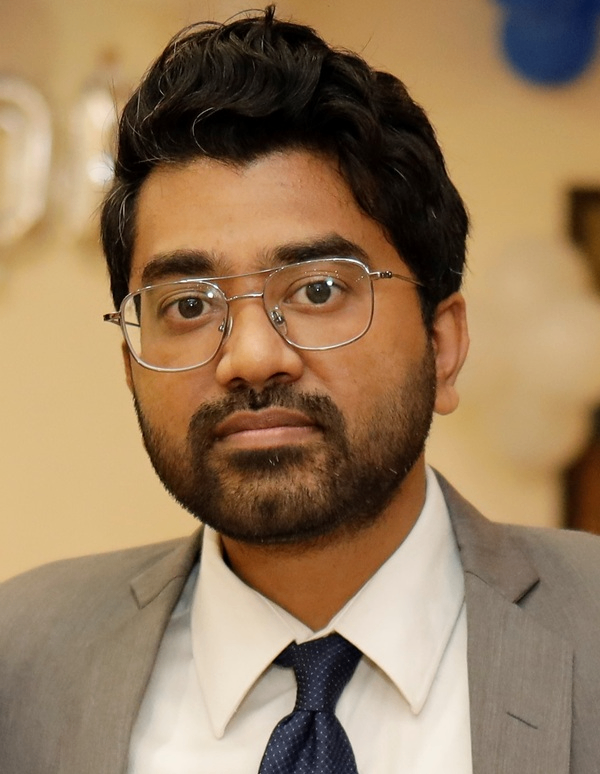
Prof. Arnab Chanda
Prof. Arnab Chanda is an Associate Professor in the Centre for Biomedical Engineering, IIT Delhi, and a joint faculty at the Department of Biomedical Engineering, AIIMS, Delhi. He is also the founder of a start-up company BIOFIT Technologies LLC, USA. He earned his PhD from the University of Alabama, USA and has also been a Postdoctoral Researcher at the University of Pittsburgh, USA. Dr. Chanda is an expert in the area of “Biomechanics”, especially in Tissue Mimicking (Artificial Tissues) and Characterization, finite element modeling (FEM), robotics and wearable device development, and entrepreneurship. To date, he has received Young Researcher Award and Early Career Award from ASME, MHRD, and AO Spine International-Singapore, and Top-Cited Paper Awards from IOP Publishing and Wiley. He holds and has filed 10+ US and Indian Patents, authored 6 Books and 100+ articles in reputed international journals. Dr. Chanda is in the list of top 2% scientists worldwide as per Scopus Elsevier and Stanford University database in both years 2023 and 2024. He also teaches two successful Executive Programs: “Executive Program in Healthcare Entrepreneurship and Management” and “Executive Program in Robotics”, and multiple Swayam/NPTEL courses to engineers, doctors, and management professionals. Dr. Chanda is serving as the editor for ‘Biomedical Materials for Multi-functional Applications’, a book series published by Springer Nature, editorial board member for Nature Scientific Reports, and guest editor for several journals such as Engineering Research Express, IOP Publishing.
Programme Faculty
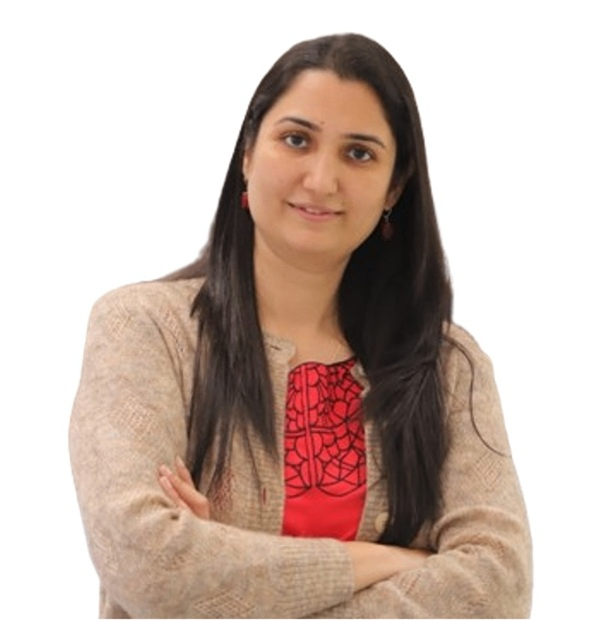
Prof. Neetu Singh
Prof. Neetu Singh’s research focuses on nanomaterials and biomaterials, particularly their biological activity and applications in medicine. She aims to establish design principles for biomedical systems, advancing technologies for targeted therapy and diagnostics. She obtained her BSc and MSc from the University of Mumbai before pursuing a PhD in Chemistry at Georgia Institute of Technology, Atlanta, under Prof. Andrew Lyon. Her doctoral research focused on developing multifunctional hydrogel nanoparticles through novel synthetic approaches. She then undertook postdoctoral research at the Harvard-MIT Division of Health Sciences and Technology with Prof. Sangeeta Bhatia, where she worked on nanomaterials for RNA therapy. In 2012, she returned to India as a faculty member in the Polymer Sciences and Engineering Division at NCL, Pune, before joining IIT Delhi in 2014 as an Assistant Professor, later being promoted to Associate Professor in 2019. Her contributions to cancer research earned her the Kiran Shaw-Mazumdar International Oncology Fellowship to establish research collaborations with MIT, USA. She has also received prestigious awards, including the Innovative Young Biotechnologist Award (2013), NASI-Scopus Young Scientist Award (2019), and Janaki Ammal-National Women Bioscientist Award (2020-21).
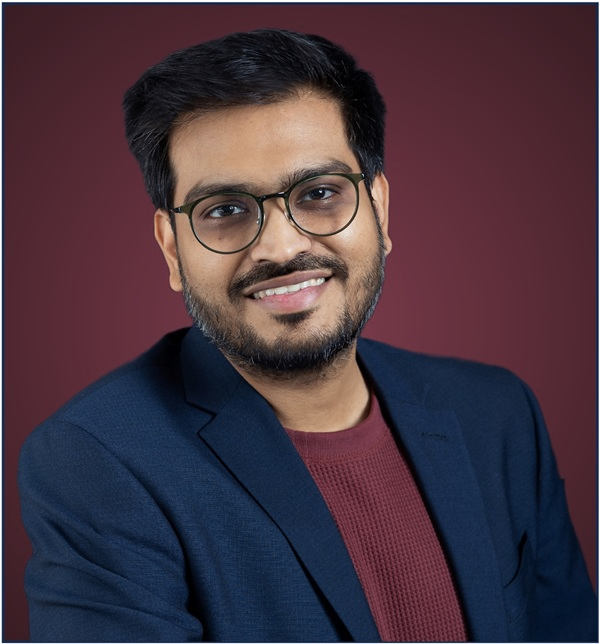
Prof. Biswarup Mukherjee
Prof. Biswarup Mukherjee’s research focuses on developing multi-modal platform technologies for non-invasive, real-time monitoring of neuromuscular activity, particularly for rehabilitation applications. His work also includes designing biomimetic sensors to enhance sensorimotor integration in individuals with motor disabilities and developing tools for the quantitative assessment of motor skills. He earned his PhD in Electrical Engineering from IIT Madras, where he developed capacitive and magnetic sensing systems for medical training and simulation. He later worked as a postdoctoral research fellow at Harvard Medical School, developing innovative medical training models for emergency medicine, ophthalmology, and nursing. Prof. Mukherjee also served as a Research Assistant Professor in the Department of Bioengineering at George Mason University and was an affiliate faculty member at the Center for Adaptive Systems of Brain-Body Interactions. At Mason, he contributed to multiple federally funded projects, focusing on low-power ultrasound instrumentation and muscle activity monitoring for prosthetic and rehabilitation applications.

Prof. Pradipta Mukherjee
Prof. Pradipta Mukherjee is also a joint faculty position at the Department of Biomedical Engineering, AIIMS Delhi. His research focuses on biophotonics, an interdisciplinary field combining biomedical engineering and optical sciences. He specialises in developing advanced optical imaging systems, including optical coherence tomography, microscopy, and polarisation-based imaging, to explore the functional dynamics of living tissues. His work aims to advance non-invasive optical imaging techniques to transform healthcare diagnostics and treatment. He earned his PhD as a Japanese Government MEXT scholar from CORE, Utsunomiya University, Japan, where he developed an epi-illumination Mueller matrix microscope and polarimetric methods for analysing microstructural and mechanical properties of biological tissues. After his doctorate, he pursued postdoctoral research at the Computational Optics Group (COG), University of Tsukuba, Japan, under Prof. Yoshiaki Yasuno, focusing on technological advancements in optical coherence microscopy for studying metabolic diseases.
Prof. Sachin Kumar B
Prof. Sachin Kumar’s research focuses on the interdisciplinary fields of biomaterials, biomechanics, and bio-optics, exploring how the mechanical, chemical, and physical properties of biomaterials influence cellular functions. His work aims to advance understanding in areas such as cancer progression, stem cell differentiation, tissue regeneration, and cellular metabolism. He earned his undergraduate degree in Biotechnology from M.S. Ramaiah Institute of Technology and pursued a PhD in Biomaterials at the Indian Institute of Science (IISc), Bangalore. Following his doctorate, he was awarded the Humboldt Postdoctoral Fellowship to conduct research at the Max-Planck Institute for Polymer Research (MPIP), Germany. He later continued his postdoctoral research at The University of Texas (UT) at Austin, USA, before joining IIT Delhi in 2021.
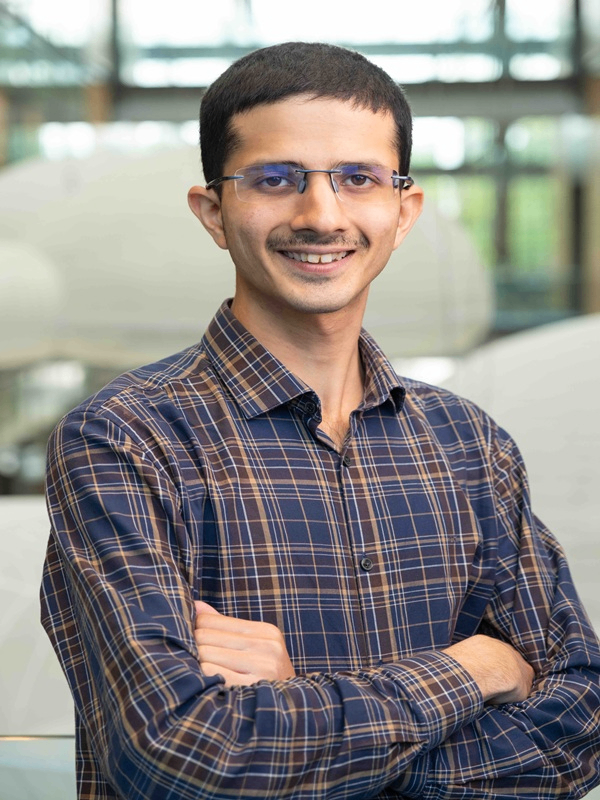
Prof. Aarat Kalra
Prof. Aarat Kalra leads the Bioelectronics Research Group. His research explores the electrical basis of life by integrating materials science, electronics, and medicine. His current focus includes investigating the mechanism of electric field-based cancer treatments and exploring how the electronic properties of proteins can be utilised in solar cells and OLEDs (organic light-emitting diodes). His work has significant implications for both medicine, driving the emergence of “electroceuticals” for disease treatment, and nanotechnology, advancing protein-based electronic devices. Prof. Kalra holds a BSc (Hons.) in Chemistry from Dayalbagh Educational Institute (Agra, India), an MSc in Biology from McGill University, and a PhD in Physics from the University of Alberta, where he worked with Prof. Jack Tuszynski. Following his doctorate, he pursued postdoctoral research in the Department of Chemistry at Princeton University with Prof. Gregory Scholes, publishing pioneering work on microtubule electronics. His research has earned several prestigious awards and funding. In 2020, he received the Alberta Innovates Graduate Student Scholarship, and in 2021, he was honoured with the Young Systems Scientist Award by the Systems Society of India. In February 2022, he delivered an invited talk at Google on "Is Our Brain a Quantum Computer?". His work on microtubules has also been featured in The New Scientist magazine.
Programme Sample Certificate
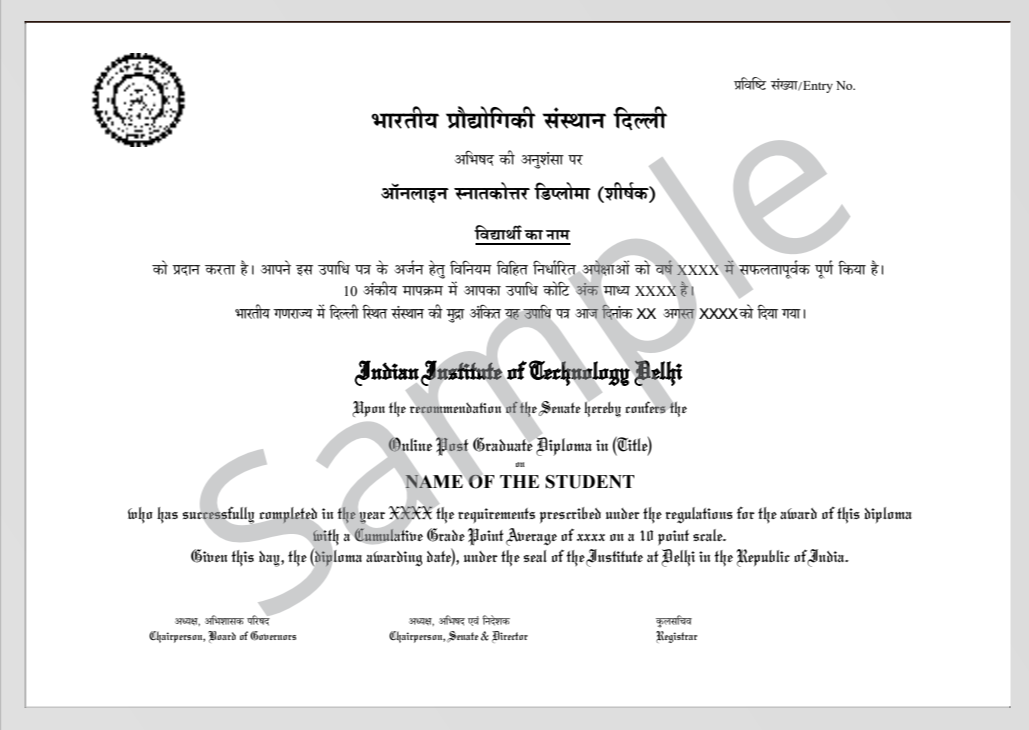
The above Online PG Diploma is for illustrative purposes only, and the format of the certificate may be changed at the discretion of IIT Delhi.
An online PG Diploma will be issued separately by the Centre for Biomedical Engineering, IIT Delhi.
Installment Schedule
Component | Instalment Date | Amount (in ₹)* |
Application Fee | To be paid at the time of Application | 2,000/- + GST |
1st Instalment | To be paid within 5 days of Offer release | 70,000/- + GST |
2nd Instalment | 9th August, 2026 | 70,000/- + GST |
3rd Instalment | 23rd October, 2026 | 70,000/- + GST |
4th Instalment | 22nd December, 2026 | 70,000/- + GST |
5th Instalment | 20th February, 2027 | 70,000/- + GST |
Affiliate Alumni Fee | Within one week of the offer rollout | 10,000/- + GST |
Re-examination fee (per course, per attempt) ₹10,000/- + GST
• GST will be charged as applicable.
• The Application Fee and Affiliate Alumni Fee are not a part of the Total Programme Fee.
• All fees should be submitted in the IITD CEP account only, and the details will be shared post-selection.
• The receipt will be issued by the CEP Account, IIT Delhi, for your records and can be downloaded from the CEP Portal.
• Easy EMI options available.
• Loan and EMI Options are services offered by TimesPro. IIT Delhi is not responsible for the same.
Withdrawal and Refund:
• All fees paid are non-refundable and non-transferable.
Re-examination Fee:
• Re-appearing in the exam is allowed upto 3 attempts by paying the re-examination fee for each attempt in each course over the span of 3 years after completion of the regular examination.
Refund Policy
All fees paid are non-refundable and non-transferable.
Programme Related Video
Frequently asked questions
The IIT Delhi Online Post Graduate Diploma in Healthcare Product Development and Management is a comprehensive 12-month programme designed to equip professionals with the skills necessary for innovation in India's healthcare sector. The curriculum encompasses areas such as biomedical innovation, medical device design, AI-driven healthcare solutions, and regulatory frameworks. Participants gain hands-on experience in prototyping, manufacturing, and commercialising healthcare technologies, guided by esteemed IIT Delhi faculty and eminent Healthcare industry experts. The programme's emphasis on practical learning, combined with insights from industry experts, prepares participants to drive innovation and efficiency within India's healthcare industry.
Choosing IIT Delhi’s online Postgraduate Diploma in Healthcare Product Development and Management is a strategic step for professionals aiming to make a mark in the evolving healthcare and medical technology space. Ranked #2 in the NIRF 2024, IIT Delhi brings a legacy of academic excellence, innovation, and global recognition. This program combines that reputation with a future-forward curriculum designed to bridge the gap between healthcare needs and product innovation. The curriculum is carefully structured to provide a comprehensive understanding of healthcare product development. Learners gain practical exposure through real-world case studies, hands-on assignments, and insights into prototyping and manufacturing. A major strength of the program lies in its distinguished faculty, drawn from both IIT Delhi and renowned healthcare institutions. This blend of academic depth and clinical relevance ensures that students gain holistic, interdisciplinary knowledge.
The IIT Delhi Online Post Graduate Diploma in Healthcare Product Development and Management is a live online course and is delivered in Direct-to-Device mode that can be accessed on a Desktop, Laptop, Tab, or Smartphone.
All fees paid for this course are non-refundable and non-transferable.
Graduates of this programme can explore diverse and high-impact roles in the healthcare and med-tech sectors mentioned below –
Healthcare Product Manager: Leads development of medical devices, digital health platforms, or pharmaceutical products by collaborating with R&D, clinicians, and regulatory teams.
Medical Technology Consultant: Advise healthcare providers and startups on implementing technologies like AI diagnostics, telemedicine, and wearable devices.
Regulatory Affairs Specialist: Ensure compliance with regulatory bodies (CDSCO, FDA, ISO) for product approvals and global market readiness.
Health Data Analyst: Analyse clinical and operational data using AI/ML to improve patient outcomes and healthcare efficiency.
The programme spans 12 months that includes 200 hours of live learning , 120 hours of practicals and projects, and 12 hours of campus immersion.
To enrol in the IIT Delhi Delhi Online Post Graduate Diploma in Healthcare Product Development and Management, click on the “Enrol Now” button and submit your details. Our programme advisors will reach out to assist you with the registration process and answer any queries you may have. Please ensure you meet the stated eligibility criteria. If admissions are currently closed or yet to be announced, you can still express your interest by clicking “Enquire Now” and filling out the form. Our advisors will get in touch to provide further guidance and updates.
This programme is designed for:
Professionals aiming to enter the Data Science and Machine Learning domain within healthcare.
Data Science experts seeking deeper insights into Machine Learning, AI, and Decision Sciences.
Experienced leaders looking to leverage Decision Sciences for more informed, data-driven decision-making in the healthcare sector.
This notification does not apply to IIT Delhi or its programs. With respect to the UGC healthcare notification (Order no F. No. 4-1/2025(DEB-NER) dated 12 Aug, 2025), stating “...programmes in the specialization of healthcare and allied disciplines falling under the NCAHP Act, 2021, in ODL and Online mode...” and “...meeting held on 22nd April, 2025 regarding offering of programmes in the specialization of Psychology, Microbiology, Food and Nutrition Science, Biotechnology and Clinical Nutrition & Dietetics in ODL mode and Online mode”..., IIT Delhi programs, including this, do not fall under NCAHP Act, 2021 or any UGC acts. IIT Delhi programs are governed by “The Institute of Technology Act 1961”.